Like all the pieces, hemp sustainability varies by enter and processing attributes:
Water and inputs
We frequently hear that hemp makes use of “half the water of cotton,” and that is really not fairly proper. A 2005 Stockholm Environment Institute study discovered cotton wants round 9,758 liters of water per kilo of fiber, whereas hemp wants someplace between 2,000 and three,400 liters.
So hemp is nearer to 1 / 4 of cotton’s thirst, and temperate hemp is often rain-fed the place cotton is often irrigated. That is only a single examine from 2005, so maybe extra must be understood, however the path is properly supported by newer work like a 2020 life cycle assessment within the Journal of Cleaner Manufacturing.
Chemical compounds
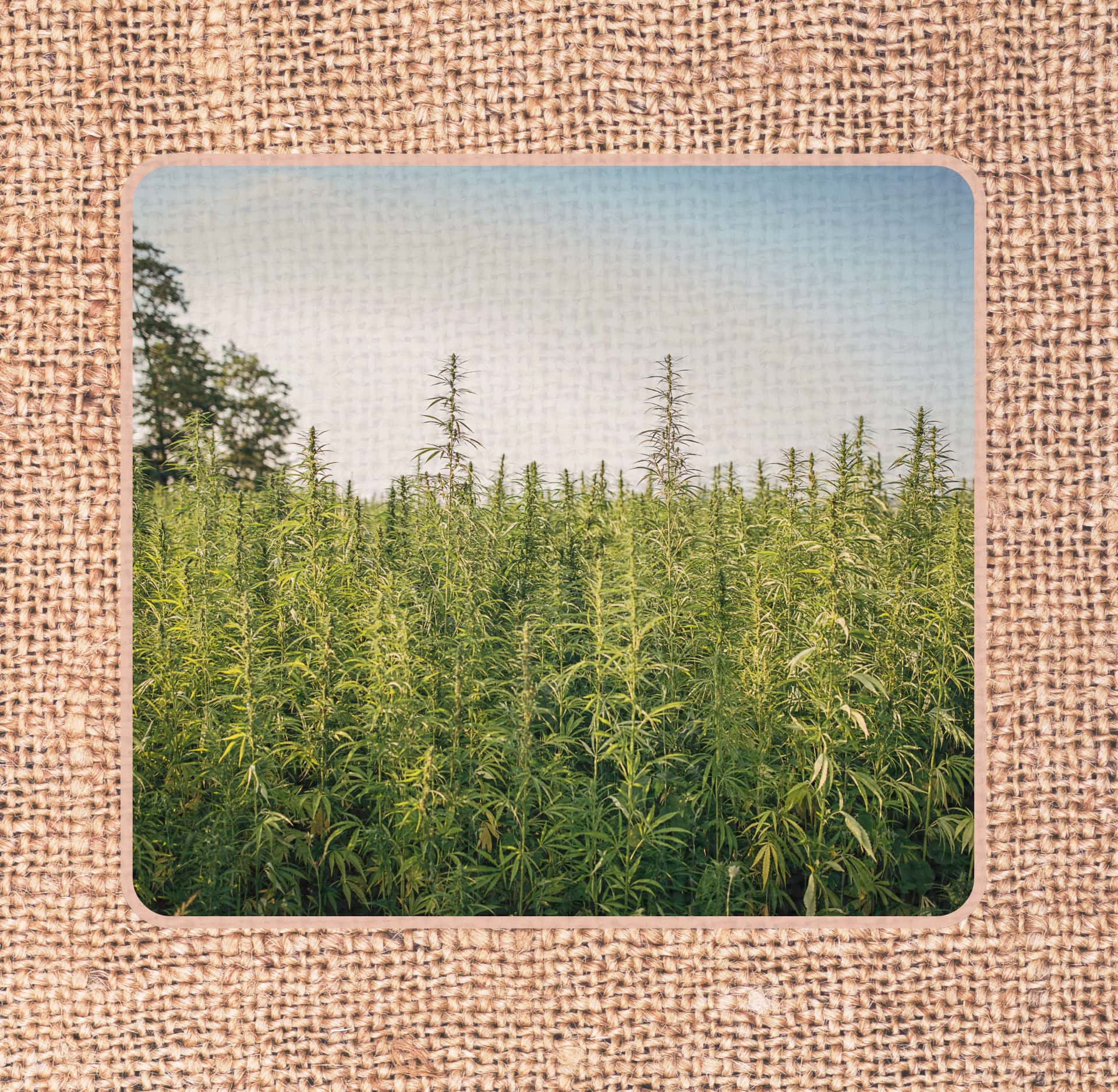
Hemp grows quick and tall, shading out weeds and shrugging off most pests. This implies it often wants little to no pesticide or herbicide.
Cotton, against this, is without doubt one of the extra pesticide-intensive crops within the floor, which is a part of why the industry is working to cut its chemical load.
Yields
That very same 2005 examine discovered hemp can yield as much as thrice as a lot fiber per hectare as cotton, so it does much more with much less land.
Carbon
Hemp grows rapidly and pulls in lots of CO2 because it does, which is why it typically will get known as a carbon sink. A peer-reviewed review of fiber hemp places the cautious determine at roughly 1.4 to 1.6 tons of CO2 saved per ton of hemp grown.
However, importantly, the carbon solely stays locked away if the fiber results in one thing long-lived like clothes or constructing materials. If it will get burned or left to rot, a lot of that CO2 goes again up.
Soil
Hemp is low-input and suits neatly into crop rotations, and its deep roots have made it a acknowledged phytoremediation crop, able to draw heavy metals out of contaminated soil. It was even trialed close to Chernobyl to do this very job.
Certifications
Search for GOTS, the Global Organic Textile Standard, which covers organically grown fiber plus the chemistry and labor all over manufacturing.
Then USDA Organic covers the natural farming of the particular hemp plant itself. However certified-organic, GOTS-certified hemp remains to be scarce, since most fiber is grown and processed in China with restricted chain-of-custody.
Trending Merchandise