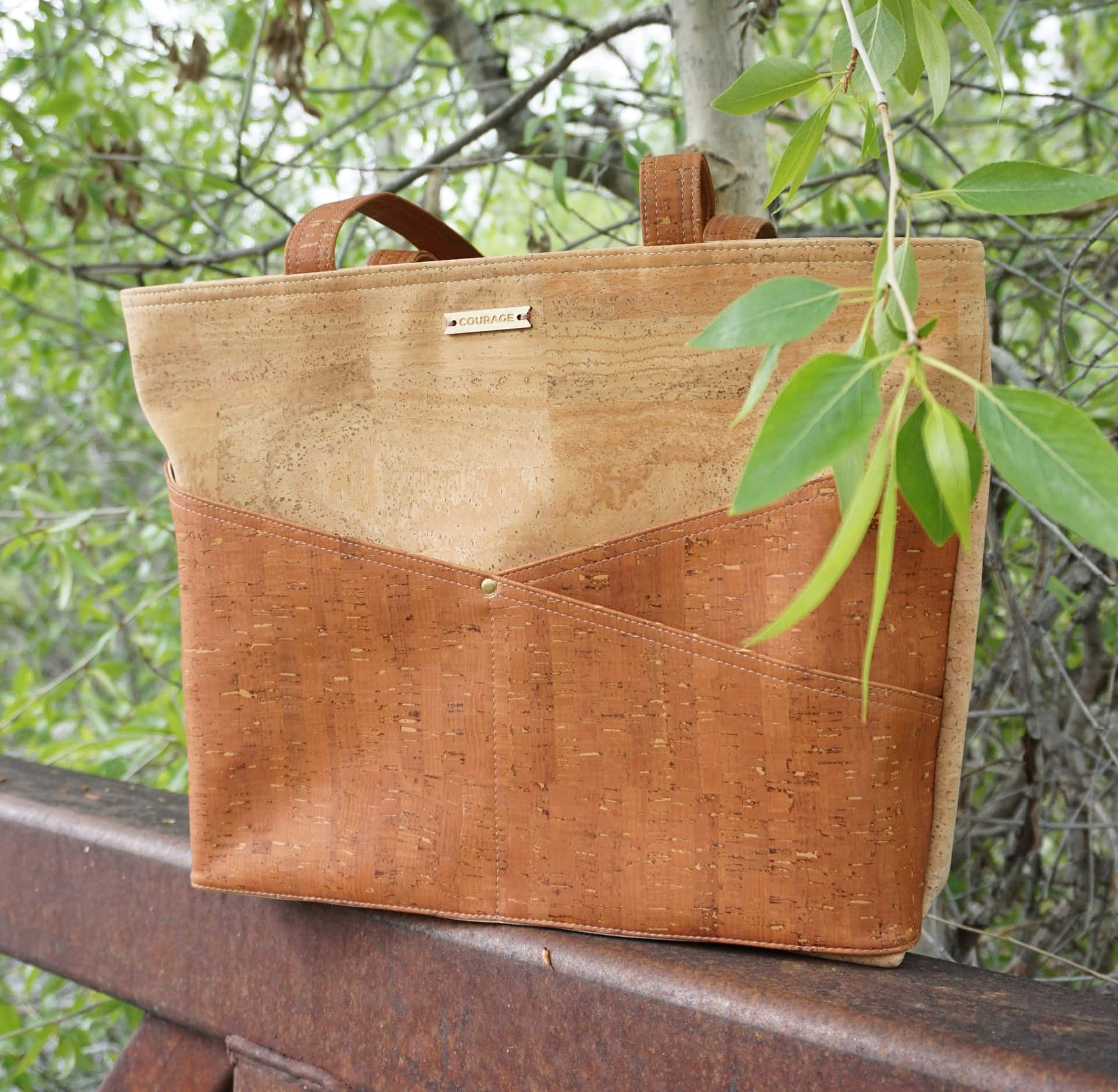
Cork is a kind of supplies the place the environmental story is constructive, supplied you perceive the place the caveats lie.
Carbon Sequestration
As with most tree-based supplies, cork’s potential to take away and retailer carbon from the environment is a significant profit. Not like timber harvesting, cork harvesting doesn’t require tree felling, so carbon sequestration continues uninterrupted all through a tree’s life.
Analysis by Portugal’s Instituto Superior de Agronomia (ISA) discovered {that a} well-managed cork oak forest can sequester up to 14.7 tonnes of CO₂ per hectare per year. Extrapolated throughout all cork oak forests within the western Mediterranean basin, cork forests have the capability to sequester roughly 30.66 million tonnes of CO₂ per yr.
Extra putting: when a cork oak’s bark is stripped, the tree absorbs extra CO₂ as the brand new bark grows. In line with Euronews, for each kilogram of cork produced, the tree captures 73 kg of CO₂. This places cork in a uncommon class of supplies the place manufacturing actively enhances carbon sequestration.
Life cycle assessments (LCAs) performed by EY and PwC on behalf of Corticeira Amorim (the world’s largest cork processor) discovered that cork merchandise have damaging carbon balances when accounting for the sequestration capability of the cork oak forest, which means extra CO₂ is captured than is emitted throughout the manufacturing course of.
Biodiversity
Cork oak forests (often called montado in Portugal and dehesa in Spain) are designated biodiversity hotspots on a stage with the Amazon and Borneo. These agroforestry programs present habitat for 1000’s of species, together with the critically endangered Iberian lynx.
Effectively-managed cork forests are additionally pure fireplace limitations, with the agroforestry construction (open cover, grazing livestock, low undergrowth) considerably decreasing wildfire gas load. That is more and more necessary: Portugal skilled extreme wildfires in September 2024, with around 110,000 hectares burned in a single week. Effectively-managed cork forest is a part of the answer.
Minimal Chemical Processing
Not like animal leather-based, cork leather-based requires no tanning, no chromium, and no poisonous ending chemical compounds. Wastewater from cork processing stays primarily clear, in stark distinction to the leather-based tanning trade’s identified contamination points.
There’s additionally minimal materials waste: scraps and residual cork from material manufacturing may be repurposed into different merchandise (insulation, composites, wine stoppers). Corticeira Amorim studies a waste restoration fee of round 90% throughout its industrial operations.
Biodegradability
100% pure cork is biodegradable and compostable. Nonetheless, this solely holds true when the cork material is:
- Backed with a biodegradable materials (e.g. natural cotton, not polyester or PU)
- Freed from artificial dyes and finishes
- Freed from artificial glues
In case your cork product has a PU backing or an artificial sealant coating, the total product received’t biodegrade cleanly. Be careful for these in product descriptions as manufacturers utilizing sustainable cork will often specify the backing materials.
The Local weather Risk to Cork Forests
One rising concern price flagging: local weather change is rising wildfire danger and drought depth throughout the Iberian Peninsula, and research from 2024 has found that 59% of Portuguese cork oak stands show no natural regeneration. Hotter, drier circumstances are making it tougher for seedlings to determine. Some producers have responded with irrigation in new plantations. This can be a long-term menace to the cork provide chain and never a purpose to keep away from cork now, however it’s price monitoring as a systemic danger.
Trending Merchandise